Dental Articles - Beaumont
Brushing Your Little One's Teeth: Sequence over Explanation
Posted by Smile Buddy on Tue, 4 Aug 2026
Learn how to make toddler toothbrushing effortless using predictable sequences instead of explanations. Pediatric tips by Dr. Amin Salmasi.
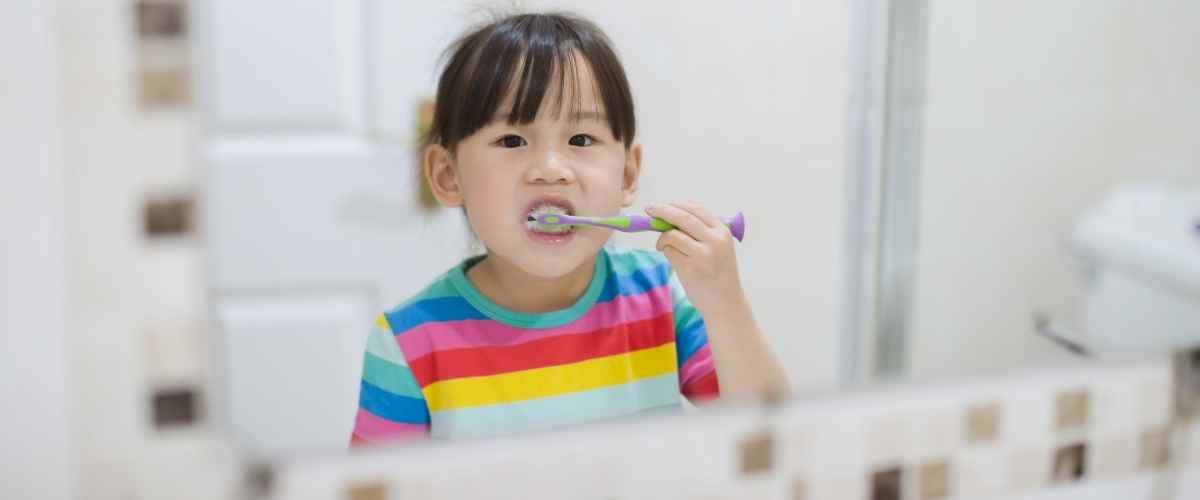
Brushing Your Little One's Teeth: Sequence Over Explanation
Written by Dr. Amin Salmasi | Pediatric Dental Tips
"If you don't brush, you'll get cavities."
"Your teeth will rot."
"The dentist will have to fix them."
Many parents mistakenly over-explain why brushing teeth is important. Those explanations make perfect sense to us as adults. But they don't mean much to a two-year-old.
Developmental Psychology Insight
Young children aren't very good at connecting something they do today with something that might happen months or years later. Developmental psychologists have found that toddlers learn best through predictable sequences of events and repeated routines. In other words, they understand what comes next much better than what might happen in the future.
Think about how your child already understands their day. They know that after breakfast comes daycare. After daycare comes dinner. After bath comes pajamas. After pajamas comes a story. They aren't thinking about why those things happen—they simply know the sequence.
That's exactly how brushing should become.
Instead of explaining cavities every night, make brushing part of a routine that rarely changes. Try to keep the sequence as consistent as possible:
Keep the details consistent too:
- Brush at the same time.
- Stand in the same spot in the bathroom.
- Sing the same song.
- Use the same toothbrush.
- If possible, have the same parent brush your child's teeth while you're building the habit.
These small details may seem unimportant to us, but to a toddler they're all part of the routine. The more predictable the routine, the less mental energy your child spends deciding whether brushing is happening.
Use Independence to Your Advantage
Toddlers naturally want to do things themselves. Rather than fighting that instinct, use it.
One trick I often recommend is buying your child a full-sized adult toothbrush. Not because it cleans better, but because toddlers love feeling like they're using the same things as Mom or Dad.
Make a big deal out of it:
"Wow! This is your very own grown-up toothbrush!"
Let them carry it to the bathroom.
Let them brush first.
Most toddlers will happily chew on it, wave it around, and brush the same few teeth for 30 seconds.
That's okay.
While they're busy with their "grown-up" toothbrush, quietly use their child-sized toothbrush to clean the teeth on the opposite side. When they're finished, switch sides and quickly brush the rest.
Your child feels independent.
You know their teeth actually got cleaned.
Everybody wins.
I've found this works much better than taking the toothbrush away and trying to do everything yourself.
Routine Beats Reasoning
As adults, we naturally try to solve problems by explaining them.
Toddlers learn differently.
You don't have to convince your child that brushing is important every single night.
You simply have to make brushing so predictable that it becomes part of the sequence of their day.
After enough repetition, your child stops wondering whether it's time to brush. Just like putting on pajamas before bed or buckling a seatbelt before the car starts moving, brushing becomes something that simply happens next.
And that's exactly the habit you're trying to build.
Happy Brushing!
Dr. Amin Salmasi
Have Questions About Your Child's Oral Health?
We specialize in gentle, child-focused dental care with locations in Seton (Calgary) and Beaumont.
Dentist Beaumont